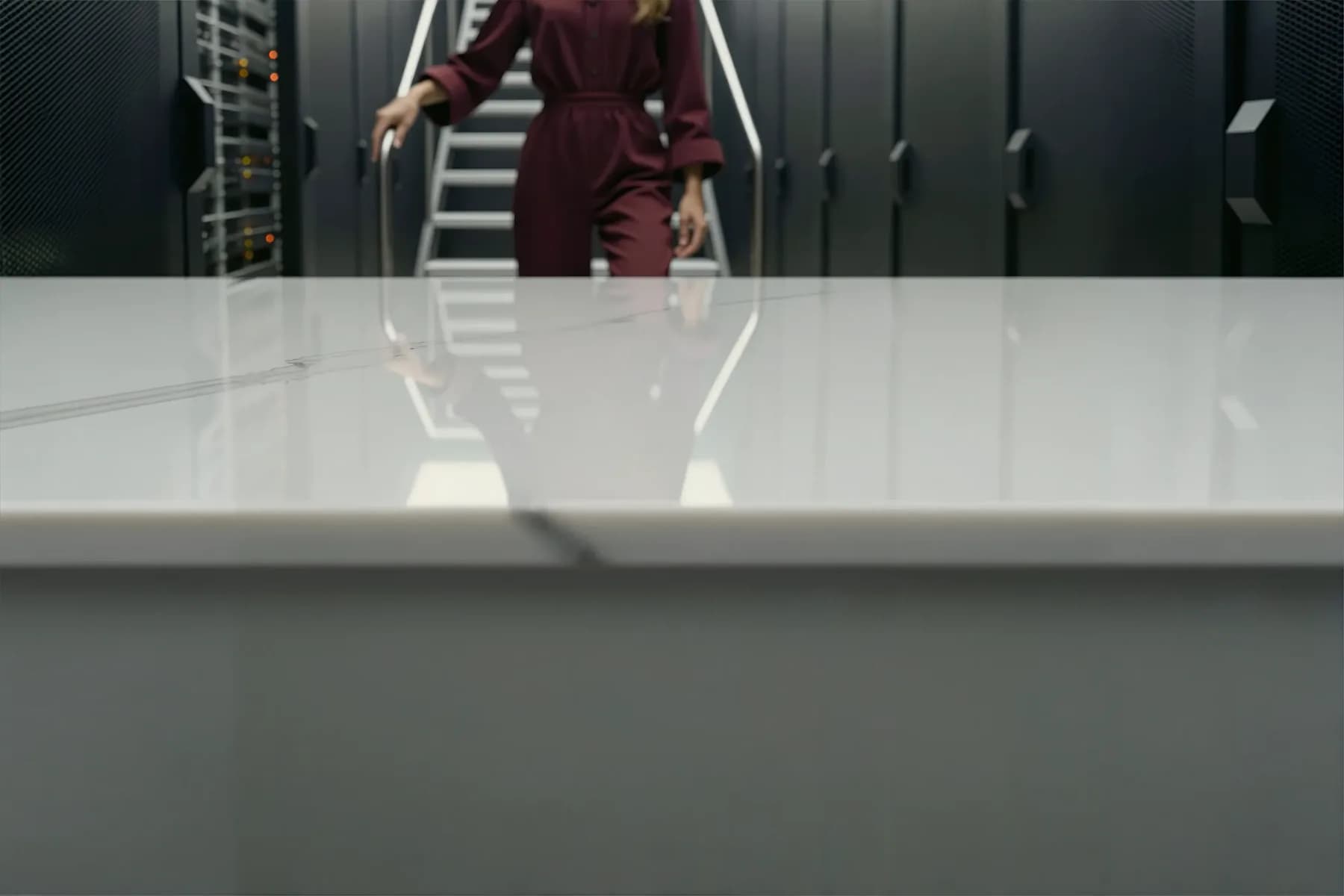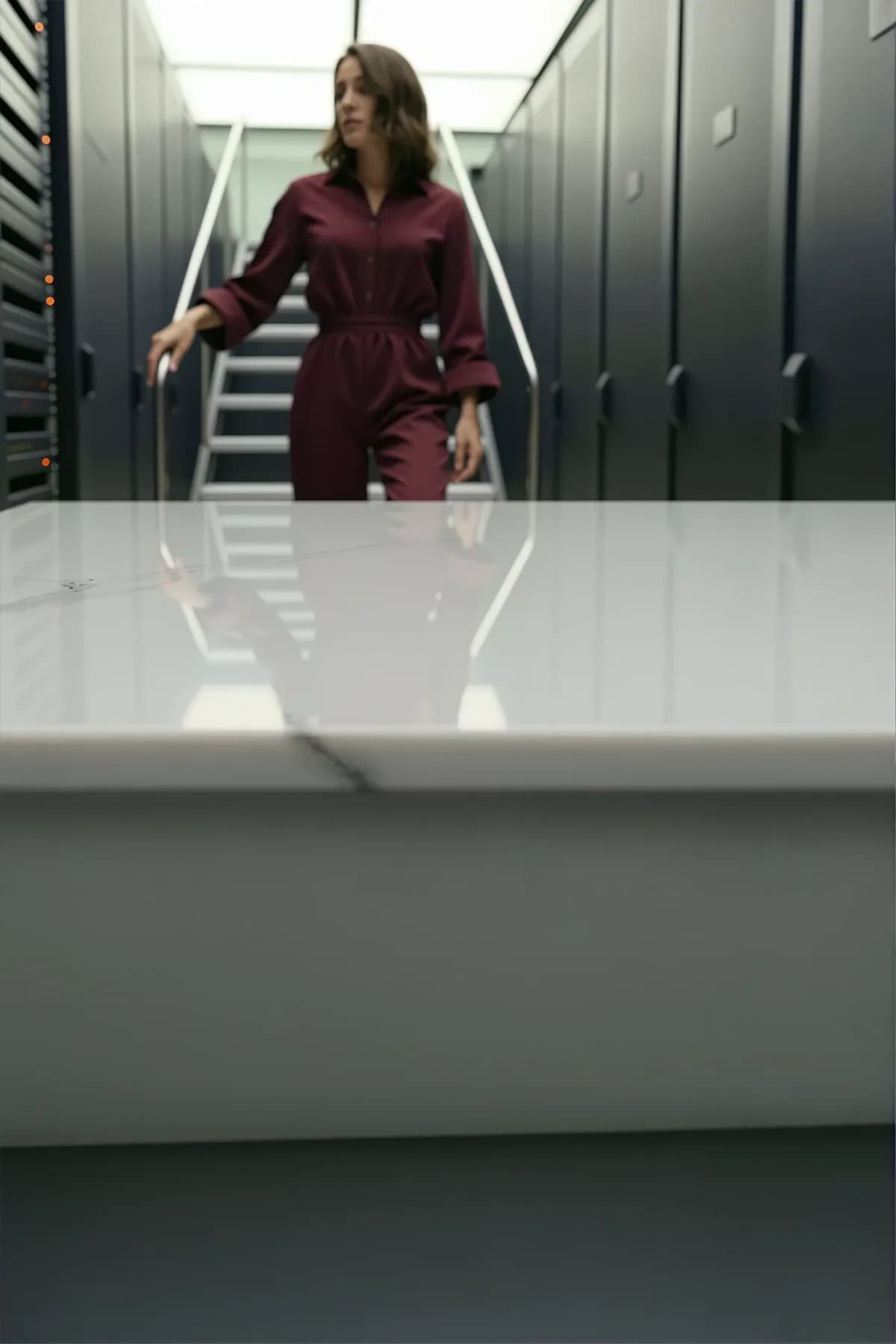
What is a product photography backplate?+
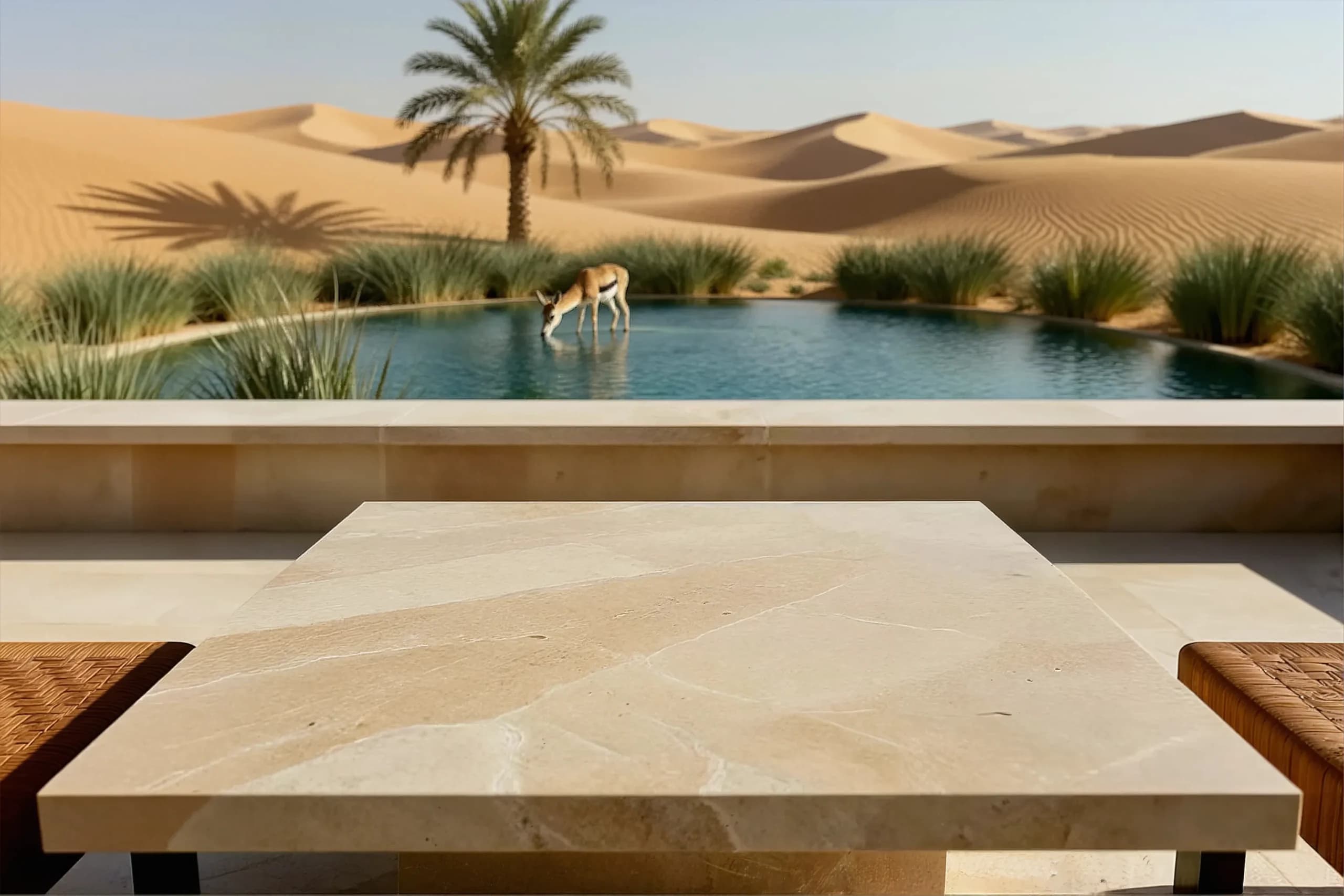
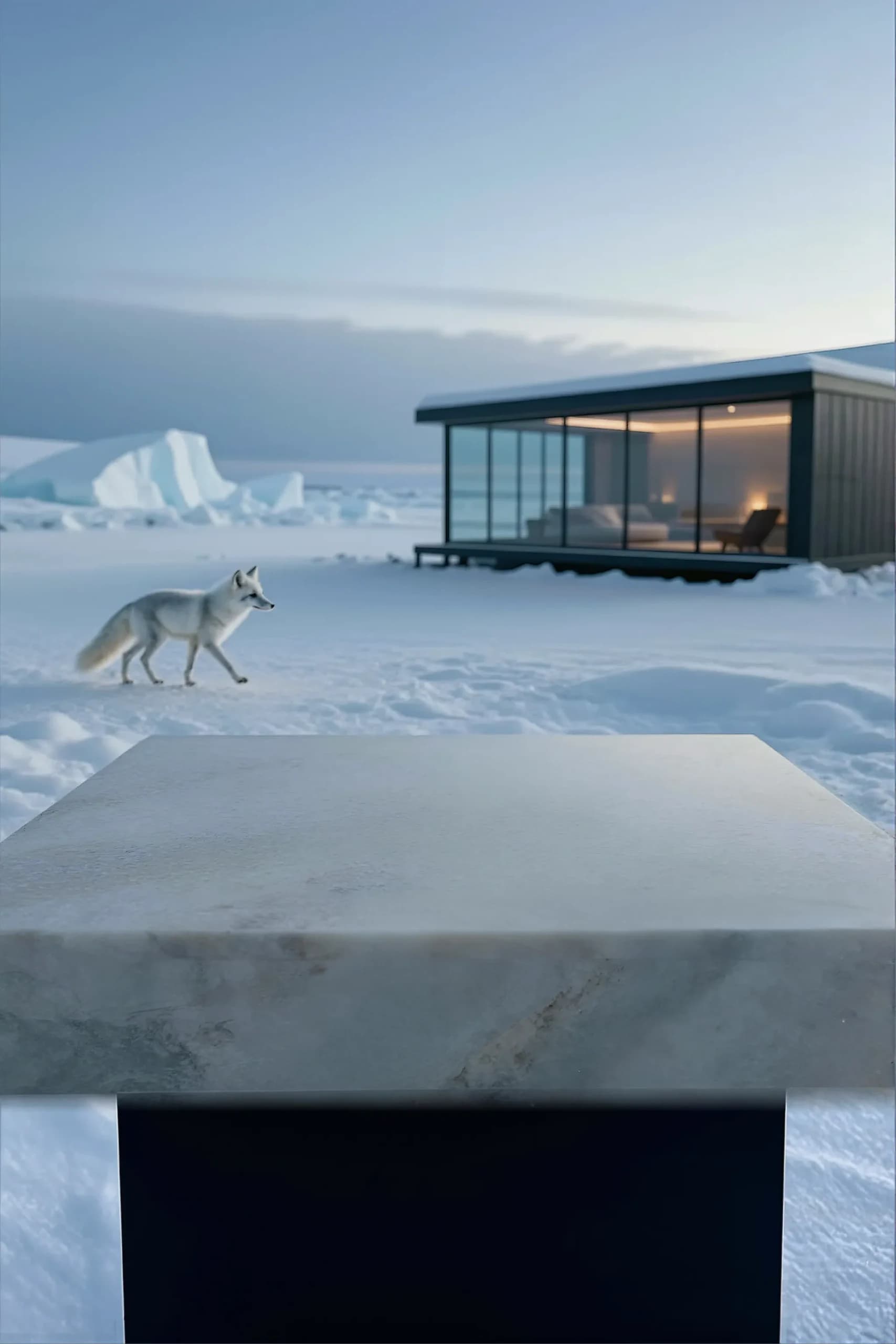
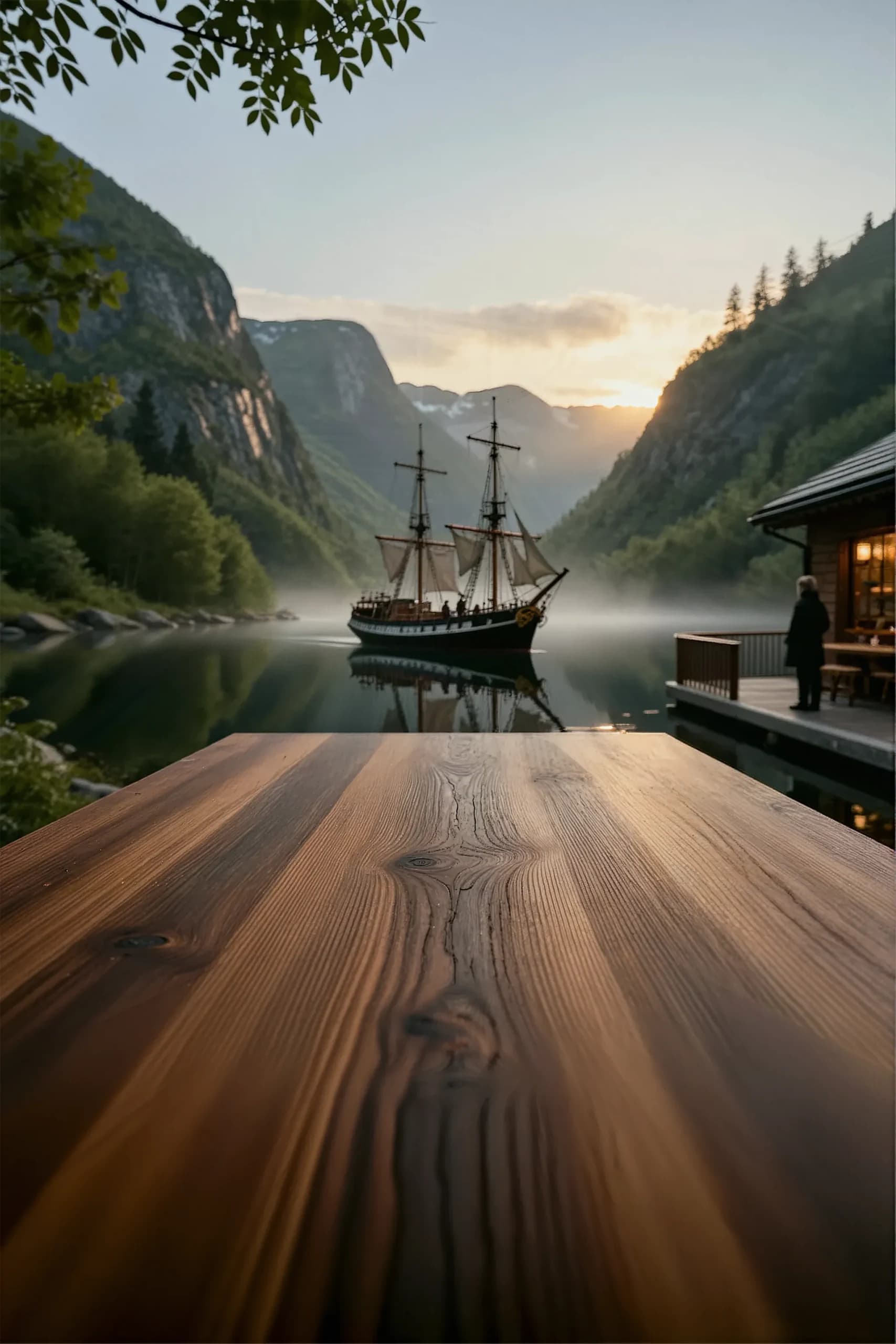
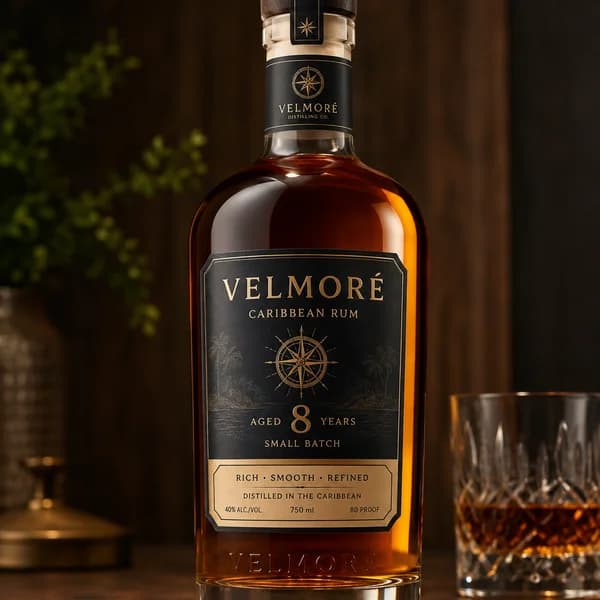
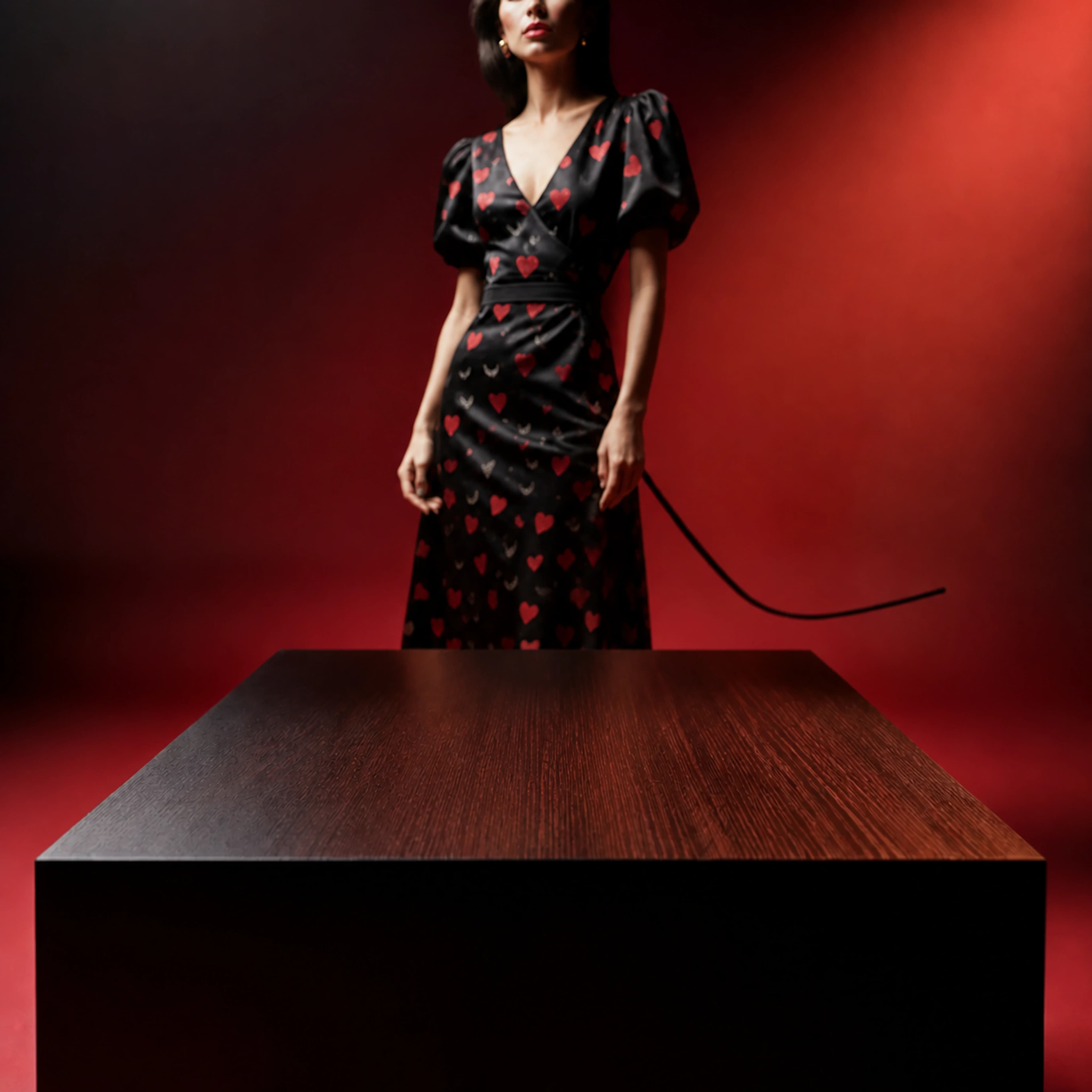
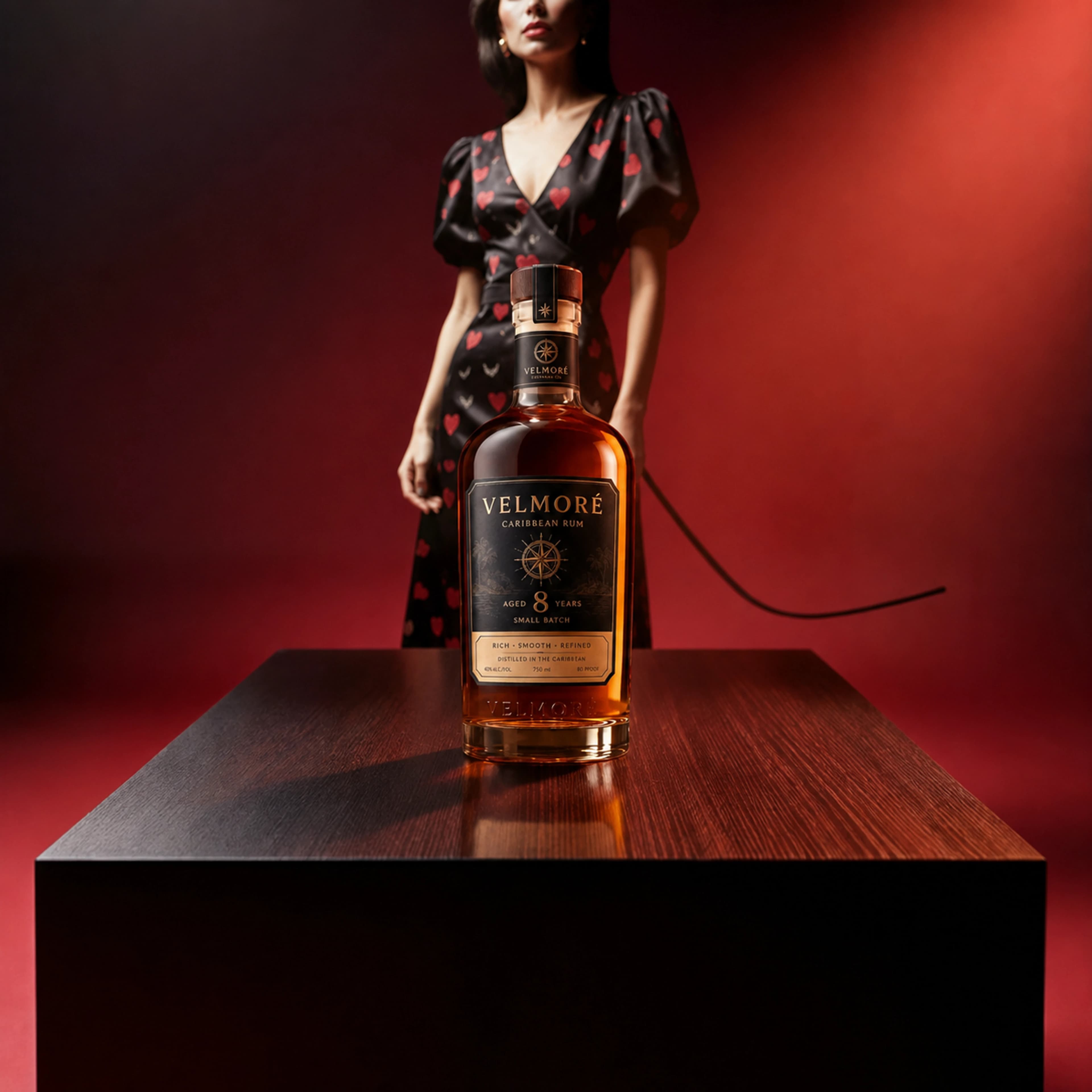
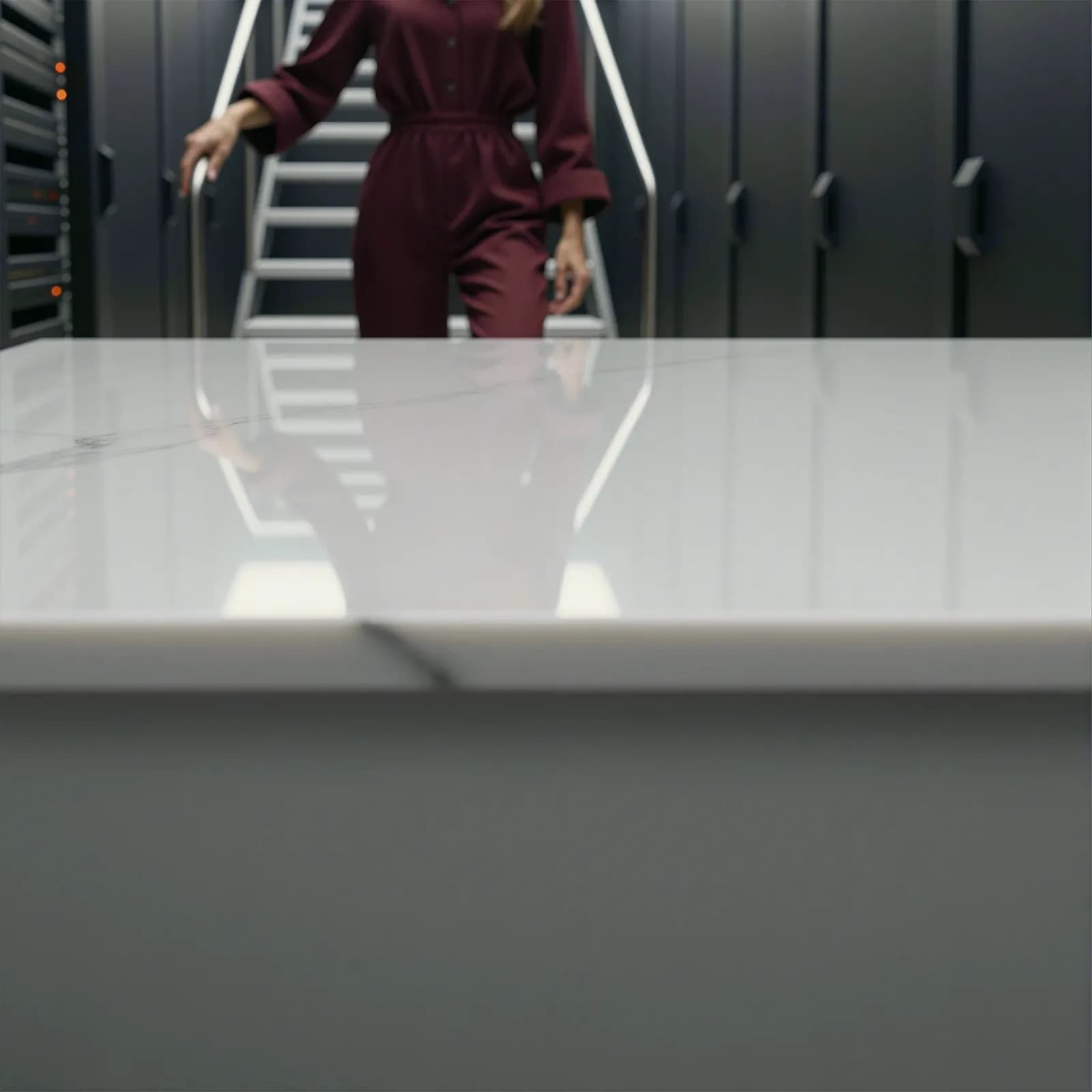
A backplate is the empty environment behind and beneath a product composite. ProductBackground generates the location, architecture, foreground surface, perspective, lighting, and atmosphere without inserting the product, logo, or campaign copy. A retoucher can then place the approved product asset and build its contact shadow or reflection from the real object.
How is a lifestyle product background different from a studio background?+
A studio background mainly provides a controlled wall, sweep, or surface. A lifestyle background adds a recognizable world: an interior, landscape, human moment, wildlife encounter, weather condition, or cultural setting. ProductBackground can create that narrative context while keeping the foreground usable for compositing.
Can a generated product background include people?+
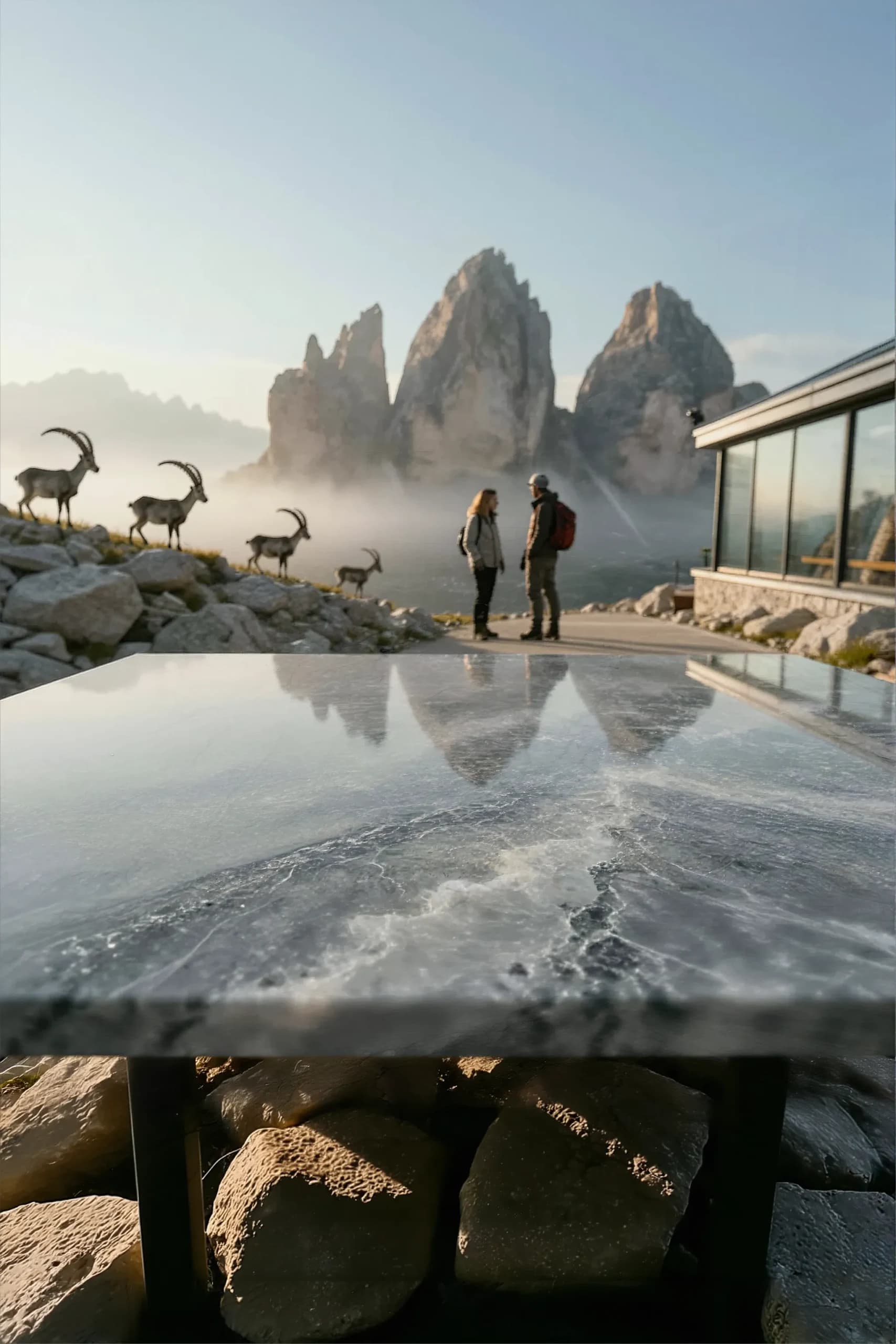
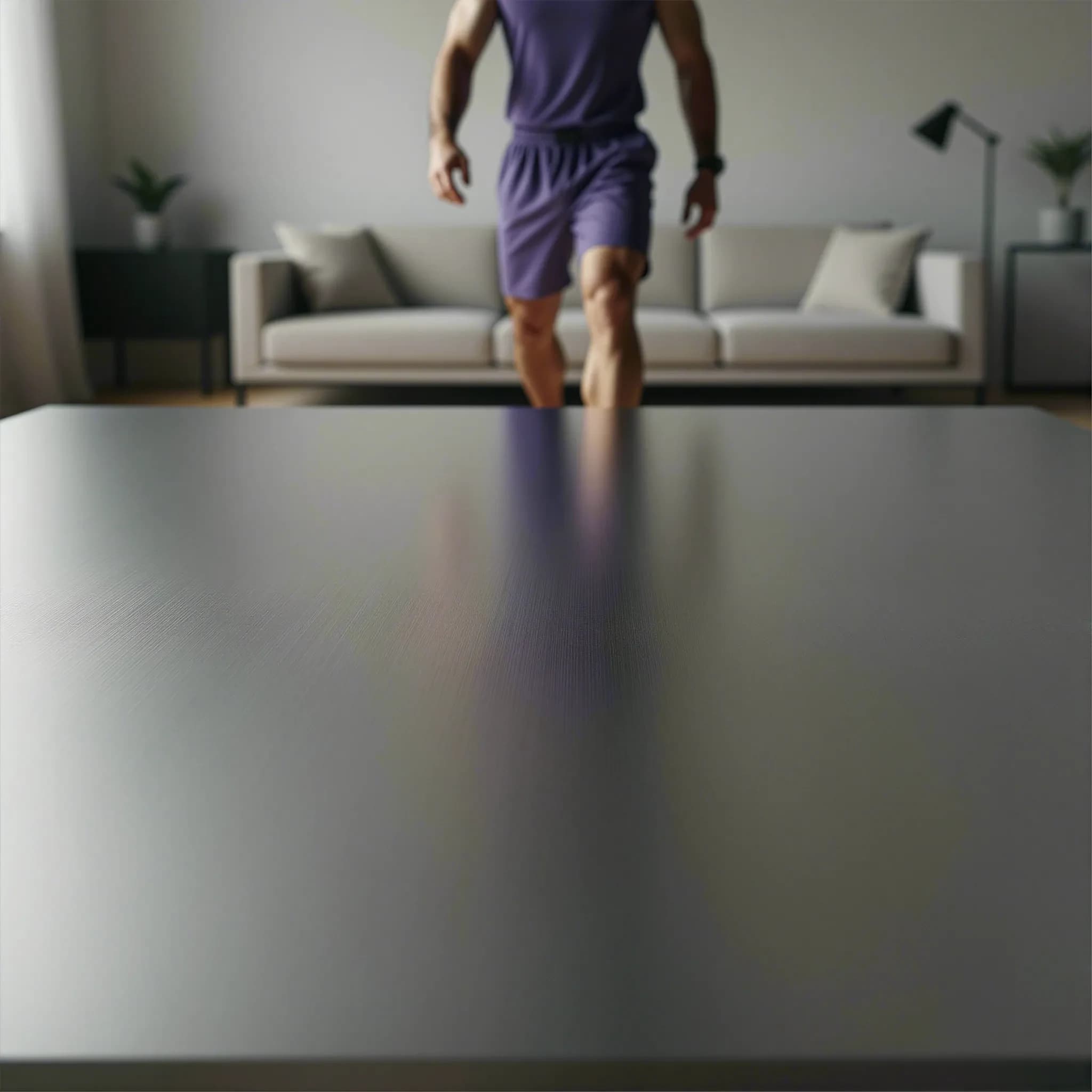
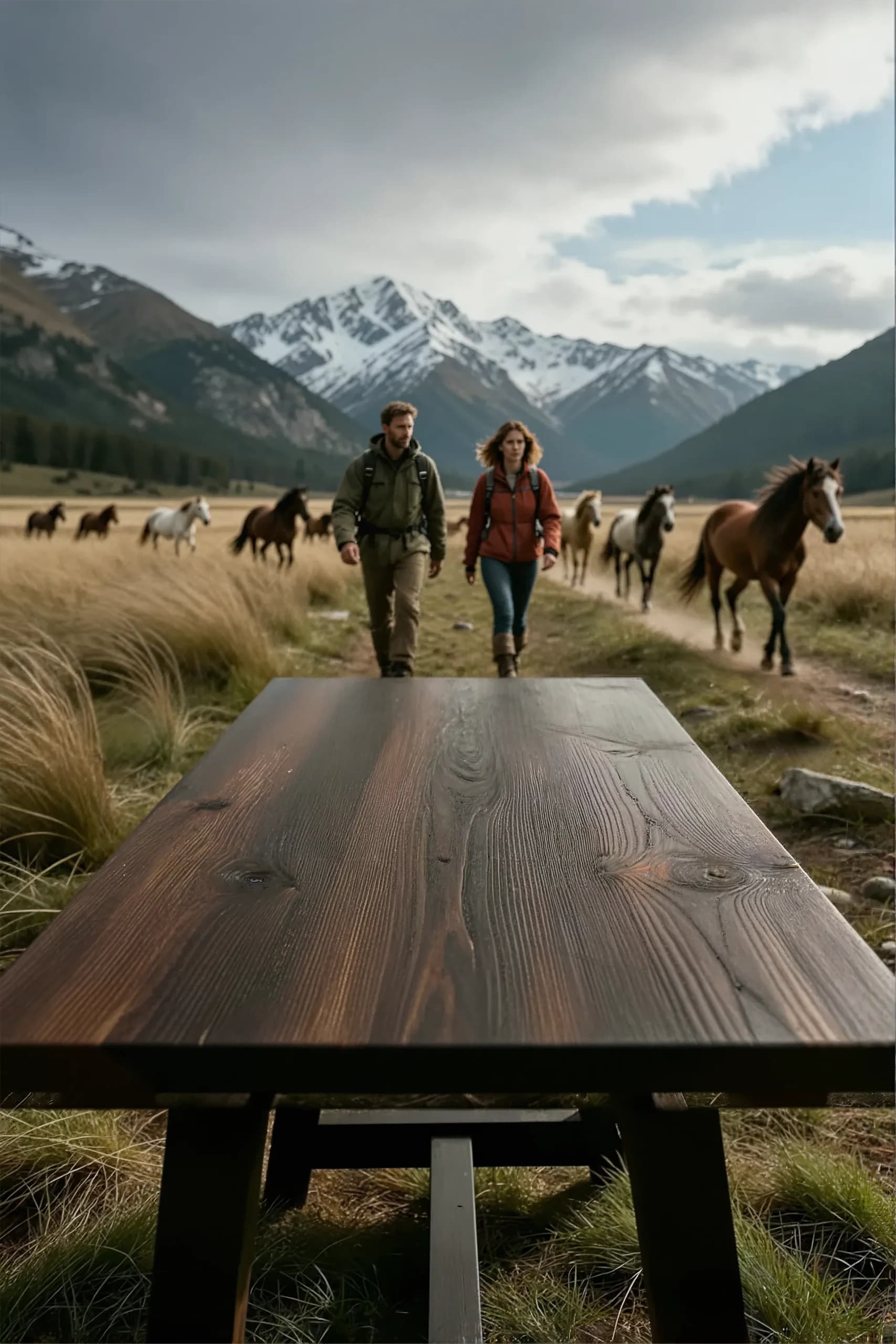
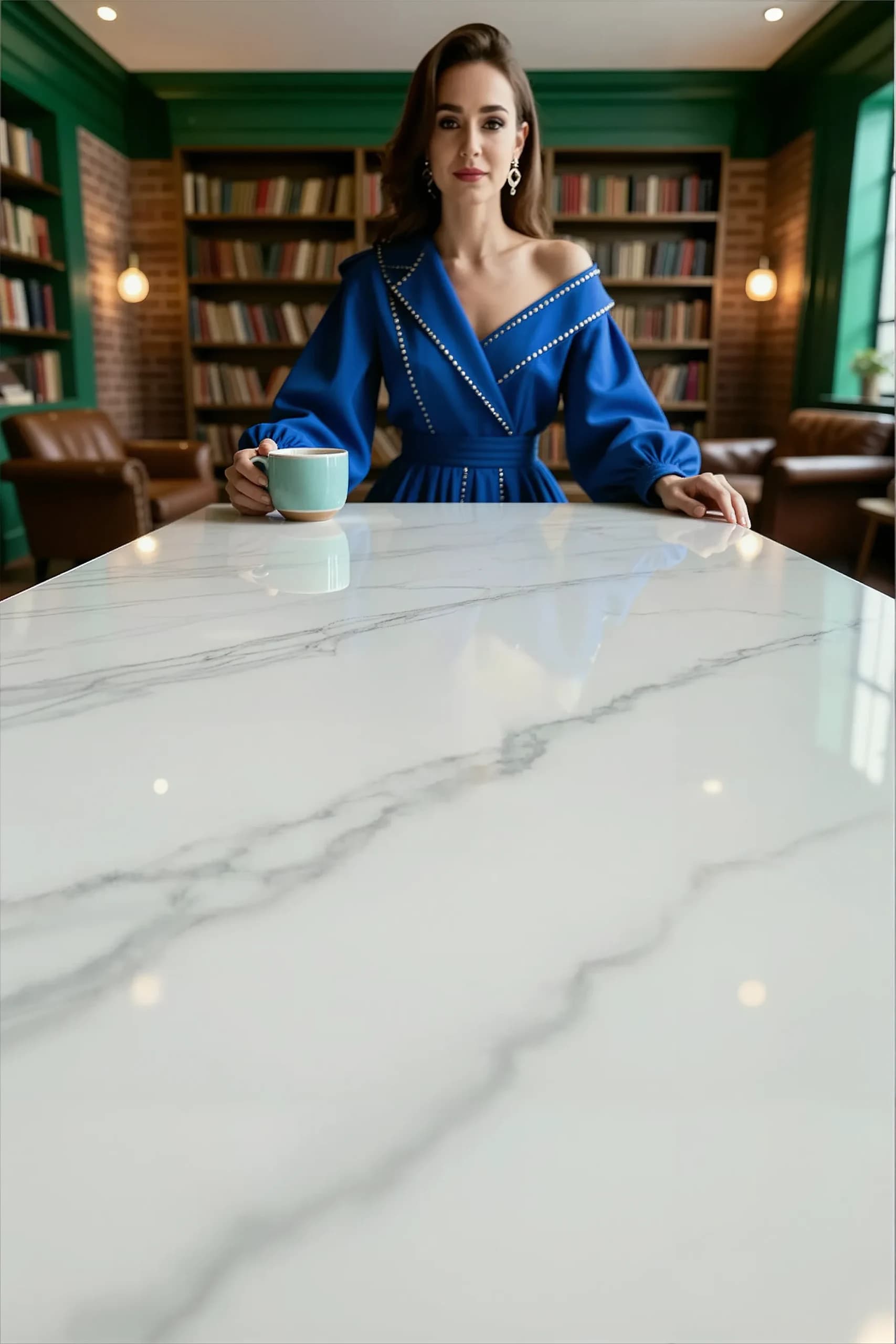
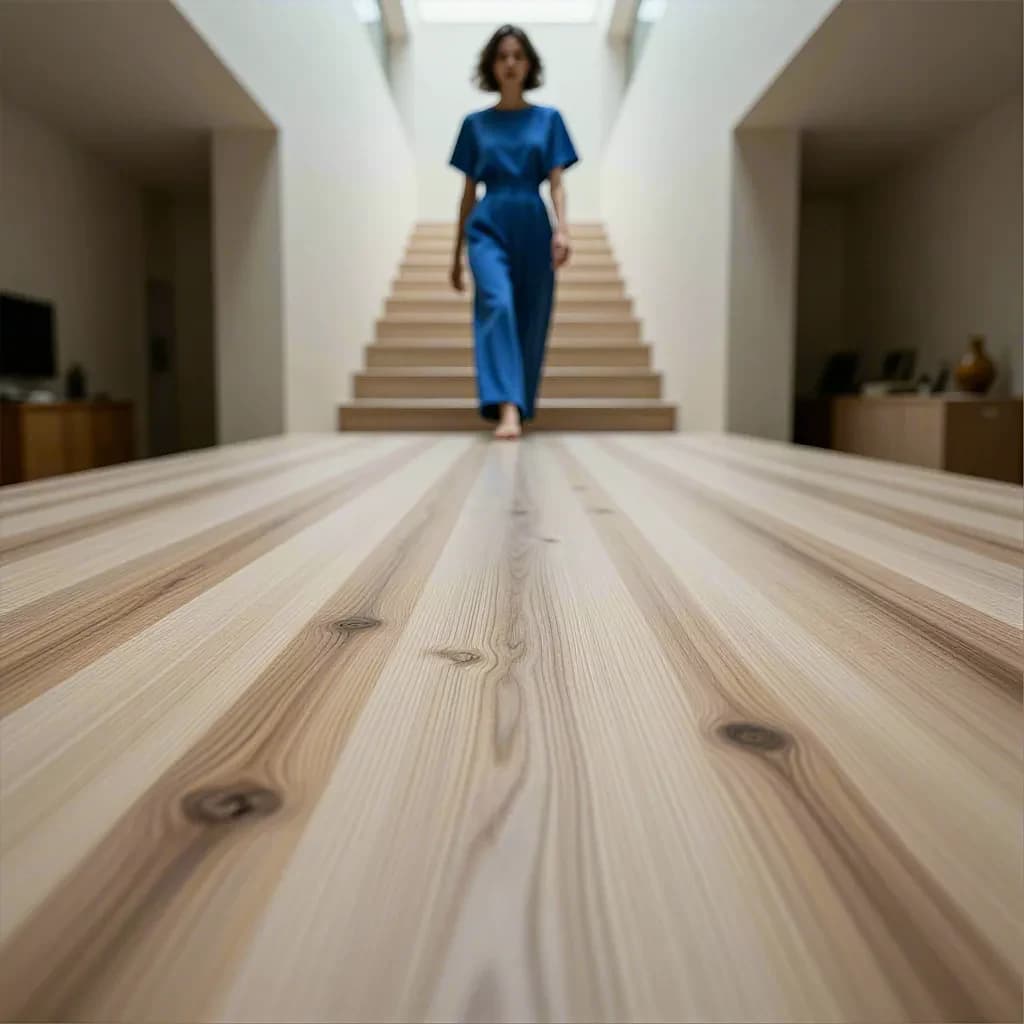
Yes. Characters can appear as environmental storytelling elements: travelers, researchers, guides, artists, athletes, or other people relevant to the scene. Keep them behind or beside the intended product area, describe their action and clothing clearly, and review anatomy, identity, and brand suitability in every output.
Can I create product photography backgrounds with wild animals?+
Yes. Wildlife can be described as part of the distant environment, such as elephants beyond a lodge, cranes outside a pavilion, or orcas beyond a coastal observatory. Prompts work best when they specify natural behavior, visible separation from people, and an empty foreground. Generated animals should always be checked for anatomical and contextual realism.
Which scene elements can I control?+
The prompt builder and free-form prompt can direct seven practical layers: character, animals, food, objects, surface, lighting, and location. You can also specify color, atmosphere, weather, architecture, camera view, negative space, and which details must remain outside the product area.
How do I keep people, animals, or props away from the product area?+
Describe the product plane explicitly: ask for a clear, flat foreground surface, a frontal camera at product height, a straight horizon, and all narrative elements in the middle or far background. Repeat that the foreground must remain completely empty and exclude pedestals, products, packaging, text, and logos.
Which products are these background ideas designed for?+
The service is designed around tabletop products approximately 10–35 cm in size. That includes many fragrance, skincare, beverage, candle, accessory, jewelry, and compact electronics packages. Suitability still depends on the photographed product angle, intended scale, and the composite a retoucher plans to build.
Does ProductBackground add my product automatically?+
No. It creates an empty backplate. That separation is intentional: product edges, labels, pack geometry, color, reflections, and final campaign copy stay under the control of the ecommerce or retouching team.
Can I choose an exact surface material, color, or finish?+
Yes. Free-form prompt control can describe the foreground and surrounding materials, including specific marble, wood, concrete, metal, stone, glass, terrazzo, resin, or acrylic directions. Because the output is generative, inspect whether the resulting texture, scale, and finish suit the real product before compositing.
Can I create several images that belong to the same campaign world?+
Yes. Reuse the same location, material family, lighting direction, palette, camera height, and exclusions while changing only the intended variable. Generated outputs still vary, so select a strong master direction and use retouching judgment to maintain campaign consistency.
What image formats can I create?+
Start from a generated backplate and extend it horizontally or vertically when the layout needs a wider or taller canvas. This is outpainting, not an automatic crop. Plan product position and negative space before choosing the final extension direction.
Can a backplate be used as a standalone hero or header image?+
Yes. The environment can work without a product when a landing page, editorial header, presentation, or campaign needs an atmospheric visual. Keep typography outside the generated image so copy remains accessible, localizable, and editable.
Do I need advanced Photoshop skills?+
You need a compositing workflow appropriate to your product. At minimum, that usually means a clean product asset, scale and perspective judgment, a believable contact shadow, and color adjustments. Professional retouchers can take the same backplate further with masks, reflections, depth, and campaign-specific finishing.
Can I use the generated images commercially?+
Commercial use is included for generated outputs under the applicable plan terms. The pricing page is the current source of truth for plans, credits, production capacity, and license details.